
Exploring the world of Nonprofit CRM Solutions Designed for International Organizations, we delve into the crucial tools and strategies that can amplify the impact of global nonprofits. From managing data to fostering relationships, these solutions play a vital role in driving success across borders.
Introduction to Nonprofit CRM Solutions Designed for International Organizations
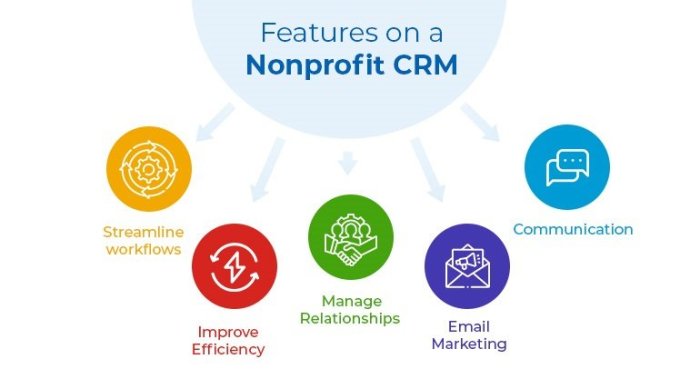
A CRM system, or Customer Relationship Management system, is a software tool that helps organizations manage interactions with customers, donors, and other stakeholders. For nonprofits, CRM systems play a crucial role in tracking and nurturing relationships to drive engagement and support for their cause.
International organizations face unique needs and challenges when it comes to managing data and relationships across different countries, languages, and cultures. The need for a centralized system that can handle diverse data sets and communication preferences is essential for effective operations.
Benefits of using CRM solutions tailored for international nonprofits
- Improved Data Management: CRM solutions designed for international organizations can centralize donor information, track interactions across regions, and provide insights for targeted outreach.
- Enhanced Communication: With multilingual support and localization features, CRM systems can facilitate effective communication with stakeholders in different countries and regions.
- Compliance and Security: International nonprofits must adhere to various regulations and data protection laws. CRM solutions can help ensure compliance and data security measures are in place.
- Efficient Fundraising: By automating processes, segmenting donors based on location or interests, and tracking donation history, CRM solutions can streamline fundraising efforts and maximize donations.
Key Features of Nonprofit CRM Solutions
Nonprofit CRM solutions designed for international organizations should have key features that help streamline operations, improve donor management, and enhance overall efficiency. These features are crucial for ensuring successful fundraising and sustainable growth for nonprofits working on a global scale.
Data Management and Segmentation
- Effective data management tools to store donor information securely and efficiently.
- Segmentation capabilities to categorize donors based on various criteria such as donation history, location, and engagement level.
- Customizable fields to capture specific data points relevant to international fundraising efforts.
Multi-Currency Support
- Ability to process donations in multiple currencies to accommodate donors from different countries.
- Automatic currency conversion to provide accurate financial reporting and transparency in fundraising activities.
- Integration with payment gateways that support a wide range of currencies for seamless transactions.
Communication and Engagement Tools
- Email marketing features for personalized communication with donors across the globe.
- Social media integration to reach a wider audience and increase engagement with supporters.
- Automated workflows for targeted outreach and follow-up based on donor interactions and preferences.
Grant Management and Reporting
- Grant tracking capabilities to manage funding from international partners and organizations.
- Customizable reporting tools to monitor the impact of grants and track progress towards project goals.
- Compliance features to ensure transparency and accountability in grant management processes.
Data Security and Compliance
Data security and compliance are crucial aspects for nonprofit organizations, especially those operating internationally. With the increasing focus on protecting sensitive information and adhering to regulations like GDPR, HIPAA, and others, nonprofit CRM solutions play a vital role in ensuring data security.
Addressing Data Protection Regulations
Nonprofit CRM solutions are designed with features that help organizations comply with data protection regulations. These solutions often include encryption capabilities to safeguard data, access controls to limit who can view or edit information, and audit trails to track any changes made to the data.
- CRM systems can assist organizations in meeting GDPR requirements by providing tools for managing consent, allowing individuals to access their data, and enabling the deletion of data when requested.
- For nonprofits dealing with healthcare information, CRM solutions can comply with HIPAA standards by ensuring that sensitive data is securely stored and accessed only by authorized personnel.
Ensuring Data Security
Organizations can take several measures to ensure data security when using CRM solutions. It is essential to regularly update the CRM system to the latest version to patch any vulnerabilities and maintain strong passwords to prevent unauthorized access.
- Training staff on data security best practices and the proper use of the CRM system can help prevent human errors that may compromise sensitive information.
- Implementing multi-factor authentication adds an extra layer of security by requiring additional verification beyond just a password.
- Regularly conducting security audits and assessments can help identify any weaknesses in the system and address them promptly to prevent data breaches.
Integration Capabilities with Existing Systems
Seamless integration with other tools and systems is crucial for international nonprofits to streamline their operations and improve efficiency. By connecting their CRM solutions with various platforms, organizations can enhance data sharing, automate processes, and provide a more cohesive experience for their stakeholders.
Common Integrations Needed by Nonprofits
- Payment Gateways: Integrating with payment gateways allows nonprofits to securely process donations, membership fees, and other financial transactions directly through their CRM system.
- Marketing Automation Tools: Integration with marketing automation tools enables nonprofits to create targeted campaigns, track engagement metrics, and nurture donor relationships more effectively.
- Email Marketing Platforms: Connecting CRM solutions with email marketing platforms helps organizations send personalized communications, automate follow-ups, and analyze the impact of their email campaigns.
Challenges and Solutions for Integration
During the integration process, organizations may encounter challenges such as data migration issues, compatibility issues between systems, and resource constraints. To overcome these challenges, nonprofits can:
- Plan Thoroughly: Conduct a comprehensive analysis of existing systems and data structures to identify potential integration roadblocks and develop a detailed integration plan.
- Collaborate with IT Experts: Seek assistance from IT professionals or consultants with experience in system integrations to ensure a smooth transition and address technical complexities.
- Train Staff: Provide training to staff members on how to use the integrated systems effectively, troubleshoot common issues, and maximize the benefits of seamless integration.
Customization and Scalability
Customization and scalability are crucial aspects of CRM solutions for international nonprofits with diverse needs. These organizations often have unique requirements based on their mission, target audience, and geographical locations. By customizing their CRM systems, nonprofits can ensure that the software aligns perfectly with their specific workflows and processes, leading to increased efficiency and effectiveness in managing donor relationships, fundraising campaigns, and program delivery.
Tailoring CRM Systems to Meet Specific Requirements
Nonprofits can tailor CRM systems to meet their specific requirements by customizing various features such as data fields, reporting templates, and user access levels. For example, an organization working on education projects in multiple countries may need to capture different types of data for each location, such as student demographics, academic performance, and program outcomes.
By customizing their CRM system, they can easily track and analyze this data to make informed decisions and improve their programs.
Scalability for Global Expansion
Scalability allows nonprofits to grow and adapt their CRM systems as they expand globally. For instance, an organization that starts with a small donor base in one country may later expand its fundraising efforts to new regions. With a scalable CRM solution, they can easily add new users, increase storage capacity, and integrate additional features to support their growing operations.
This flexibility ensures that nonprofits can scale their CRM systems to meet the evolving needs of their international programs.
Final Thoughts
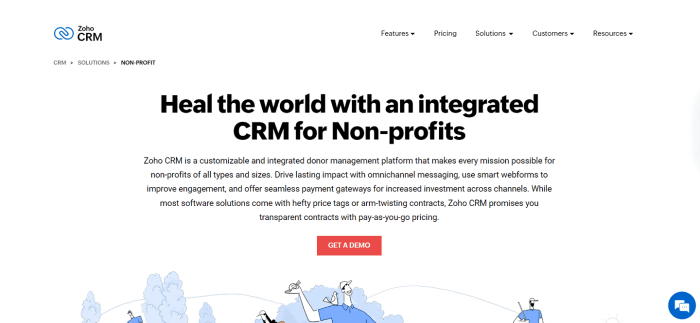
In conclusion, Nonprofit CRM Solutions Designed for International Organizations offer a powerful toolkit for enhancing operational efficiency and donor engagement on a global scale. By prioritizing data security, integration capabilities, customization, and scalability, nonprofits can unlock new levels of success in their mission to make a difference worldwide.
General Inquiries
How can CRM solutions benefit international nonprofits?
CRM solutions help international nonprofits in managing donor relationships, streamlining operations, and ensuring data security compliance across borders.
What are some common challenges faced during CRM integration for international nonprofits?
International nonprofits may face challenges such as data migration issues, system compatibility issues, and training staff on new CRM systems.
Why is scalability important for CRM solutions tailored for international nonprofits?
Scalability allows nonprofits to adapt their CRM systems as they expand globally, accommodating changing needs and growing databases efficiently.