
How Client Success Software Helps Retain High-Value Customers sets the stage for this enthralling narrative, offering readers a glimpse into a story that is rich in detail and brimming with originality from the outset.
The content of the second paragraph that provides descriptive and clear information about the topic
Importance of Client Success Software
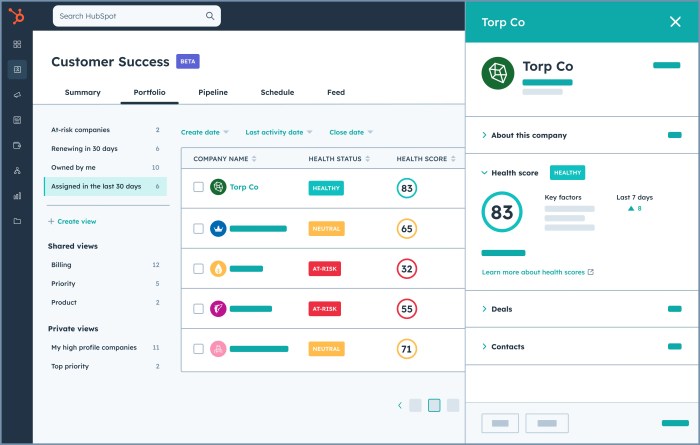
Client success software plays a crucial role in customer retention by helping businesses effectively manage and nurture their relationships with high-value customers. By providing valuable insights, tracking customer interactions, and automating communication, client success software enables companies to proactively address customer needs and ensure their satisfaction, ultimately leading to higher retention rates and increased customer loyalty.
Enhanced Customer Engagement
Client success software allows businesses to engage with their high-value customers on a more personalized level. By collecting and analyzing customer data, companies can gain a better understanding of their preferences, behavior patterns, and pain points. This information can then be used to tailor products or services to meet the specific needs of individual customers, leading to improved customer satisfaction and loyalty.
- Personalized communication: Client success software enables businesses to send targeted messages, offers, and recommendations to high-value customers based on their past interactions and preferences.
- Proactive support: By monitoring customer activities and behavior, companies can anticipate issues or concerns and address them proactively, demonstrating their commitment to customer success.
- Feedback collection: Client success software facilitates the collection of feedback from high-value customers, allowing businesses to gather insights, identify areas for improvement, and make necessary adjustments to enhance the customer experience.
Efficient Customer Retention Strategies
By leveraging client success software, companies can implement more effective customer retention strategies that focus on building long-term relationships with high-value customers. The software provides tools and analytics to help businesses identify at-risk customers, prioritize retention efforts, and track the success of their retention initiatives.
- Customer segmentation: Client success software enables businesses to segment their high-value customers based on various criteria such as purchase history, engagement levels, and feedback, allowing for targeted retention efforts.
- Automated workflows: Companies can set up automated workflows within client success software to send personalized messages, offers, or follow-ups at key touchpoints in the customer journey, ensuring consistent and timely communication.
- Performance tracking: Client success software enables businesses to track the effectiveness of their customer retention strategies through metrics such as customer satisfaction scores, churn rates, and lifetime value, helping them refine their approach and optimize results.
Key Features of Client Success Software
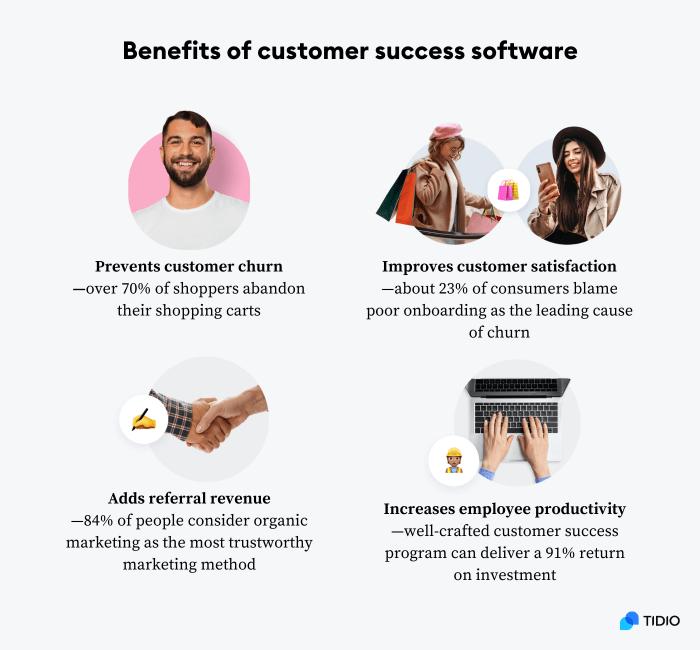
Client success software plays a crucial role in retaining high-value customers by offering essential features that help businesses effectively manage and nurture client relationships. Let's explore some key features that contribute to customer retention and satisfaction.
Customer Health Monitoring
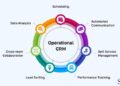
- Allows businesses to track and monitor the health of their customers by analyzing various metrics such as usage data, feedback, and customer interactions.
- Identifies at-risk customers early on, enabling proactive intervention to prevent churn and retain valuable clients.
- Provides insights into customer behavior and engagement, helping businesses tailor their strategies to meet individual customer needs.
Automated Communication
- Enables businesses to automate personalized communication with customers through emails, in-app messages, and notifications.
- Ensures timely engagement with customers by sending relevant updates, product information, and support resources based on customer preferences.
- Improves customer satisfaction by delivering the right information at the right time, fostering a strong relationship between businesses and clients.
Customer Success Planning
- Facilitates the creation and execution of customer success plans tailored to individual customer goals and objectives.
- Helps businesses align their strategies with customer expectations, ensuring mutual success and long-term partnerships.
- Empowers customer success teams to proactively engage with customers, drive adoption, and maximize the value customers receive from their products or services.
Reporting and Analytics
- Provides in-depth reporting and analytics tools to track key performance indicators, customer satisfaction scores, and retention rates.
- Enables businesses to measure the effectiveness of their customer success initiatives and identify areas for improvement.
- Offers actionable insights to optimize customer retention strategies, drive growth, and enhance overall customer experience.
Implementing Client Success Software
Implementing client success software is crucial for customer retention and maximizing the value of high-value customers. By following the right steps and best practices, businesses can ensure a seamless integration process and effectively leverage the software to retain their most valuable clients.
Steps for Implementing Client Success Software
- Define objectives and goals: Clearly Artikel what you aim to achieve with the client success software, whether it's reducing churn rates, increasing customer satisfaction, or improving upsell opportunities.
- Choose the right software: Select a client success software that aligns with your business needs and can provide the necessary features to support your customer retention strategies.
- Train your team: Ensure that your team is well-trained on how to use the software effectively and maximize its potential in engaging with customers.
- Integrate with existing systems: Integrate the client success software seamlessly with your existing CRM, marketing automation, and other systems to create a unified customer view.
- Monitor and optimize: Continuously monitor the performance of the software and make necessary adjustments to optimize its effectiveness in retaining high-value customers.
Best Practices for Integrating Client Success Software
- Collaborate cross-functionally: Involve all relevant departments, such as sales, marketing, and customer support, in the implementation process to ensure a holistic approach to customer success.
- Customize for your business: Tailor the client success software to meet the specific needs and requirements of your business, rather than adopting a one-size-fits-all approach.
- Establish KPIs: Set key performance indicators (KPIs) to track the impact of the software on customer retention and adjust strategies accordingly to meet your goals.
Tips for Maximizing the Effectiveness of Client Success Software
- Personalize customer interactions: Use the data and insights provided by the software to personalize customer interactions and deliver a tailored experience that builds loyalty.
- Proactive outreach: Leverage the software to proactively reach out to customers at risk of churning or those with upsell opportunities to prevent revenue loss and drive growth.
- Continuously innovate: Stay updated on the latest trends and features in client success software to innovate your customer retention strategies and stay ahead of the competition.
Measuring Success with Client Success Software
Client success software plays a crucial role in helping businesses retain high-value customers. But how do we measure the impact of this software on customer retention? Let's explore the key metrics to track and the importance of data analysis in evaluating the success of client success software.
Key Metrics to Track
- Customer Churn Rate: Measure the percentage of customers who have stopped using your product or service over a specific time period. A decrease in churn rate indicates improved customer retention with the help of client success software.
- Net Promoter Score (NPS): NPS helps you gauge customer loyalty and satisfaction. By tracking changes in NPS after implementing client success software, you can assess if customers are more likely to recommend your business.
- Customer Lifetime Value (CLV): CLV helps you understand the total revenue a customer is expected to generate throughout their relationship with your business. Increasing CLV signifies successful customer retention strategies.
Importance of Data Analysis and Reporting
Client success software generates vast amounts of data related to customer interactions, feedback, and usage patterns. By analyzing this data and generating detailed reports, businesses can gain valuable insights into customer behavior. These insights help in identifying areas of improvement, understanding customer preferences, and predicting future trends.
Data analysis also enables businesses to measure the effectiveness of their client success strategies and make informed decisions to enhance customer retention efforts.
Closing Summary
The content of the concluding paragraph that provides a summary and last thoughts in an engaging manner
FAQ Resource
What role does client success software play in customer retention?
Client success software helps businesses track customer engagement, anticipate needs, and provide proactive support to retain high-value customers.
How can client success software benefit customer retention efforts?
Client success software can enhance customer satisfaction, reduce churn rates, and increase customer lifetime value through personalized interactions and data-driven insights.
What are the key metrics to track when using client success software for retaining high-value customers?
Key metrics include customer satisfaction scores, retention rates, upsell/cross-sell opportunities, and customer feedback trends.