
Delving into the realm of Choosing the Best CRM for Service Business Operations, we embark on a journey to explore the intricacies and nuances that define this crucial aspect of modern business operations. From defining CRM to analyzing key factors and types of CRM systems, this discussion aims to provide a comprehensive guide for businesses seeking to optimize their customer relationship management strategies.
As we navigate through the various elements of CRM selection and implementation, the goal is to equip readers with valuable insights and practical advice to enhance their service business operations.
What is CRM?
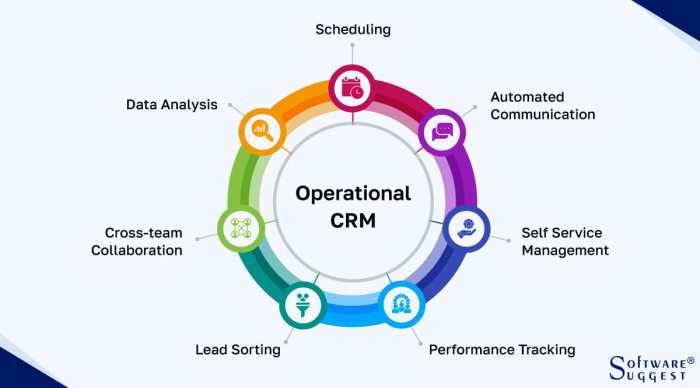
Customer Relationship Management (CRM) is a technology that helps businesses manage interactions with current and potential customers. It involves using data analysis about customer history to improve business relationships, specifically focusing on customer retention and ultimately driving sales growth.
Significance of CRM in Service Business Operations
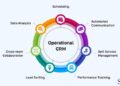
CRM plays a crucial role in service business operations by allowing companies to centralize customer information, track interactions, and streamline processes to provide better service. Here are some key ways CRM systems help in managing customer relationships effectively:
- Improved Customer Service: CRM systems provide a detailed view of customer history, preferences, and interactions, enabling businesses to personalize services and respond to customer needs more efficiently.
- Enhanced Communication: By centralizing customer data, CRM systems facilitate seamless communication between different departments within a company, ensuring a consistent customer experience.
- Sales and Marketing Automation: CRM software automates various sales and marketing tasks, such as lead management, email campaigns, and follow-ups, allowing businesses to focus on building relationships and closing deals.
Popular CRM Software Used in Service Businesses
There are several popular CRM software solutions available in the market that cater to the specific needs of service businesses. Some examples include:
- Salesforce: Known for its robust features and scalability, Salesforce is a widely used CRM platform that offers customization options and integrations with other business tools.
- HubSpot CRM: HubSpot's CRM system is popular among service businesses for its user-friendly interface, marketing automation capabilities, and comprehensive customer tracking.
- Zoho CRM: Zoho CRM is a cost-effective solution that provides a range of features, including lead management, email marketing, and analytics, suitable for service-based companies of all sizes.
Factors to consider when choosing a CRM for service business operations
When selecting a CRM system for service business operations, several key factors should be taken into consideration to ensure the software meets the specific needs of the business.
Key Features for Service Businesses
- Customizable Workflow: The CRM should allow for the creation of custom workflows that align with the service business's unique processes and operations.
- Integration with Communication Channels: It is essential for the CRM to integrate seamlessly with various communication channels such as email, phone, and social media to ensure efficient customer interactions.
- Automated Task Management: The CRM should have automation capabilities to streamline task management, scheduling, and follow-ups, improving overall efficiency.
- Reporting and Analytics: The CRM should provide detailed reporting and analytics features to track key performance metrics and make data-driven decisions.
Importance of Scalability
Scalability is crucial when choosing a CRM for service business operations as the software should be able to grow and adapt along with the business. A scalable CRM can accommodate increased data, users, and functionalities without compromising performance or efficiency.
Integration Capabilities in CRM Selection
The integration capabilities of a CRM play a significant role in the selection process as they determine how well the software can connect with other tools and systems used in the business. A CRM with strong integration capabilities can enhance data synchronization, streamline processes, and provide a more holistic view of customer interactions.
Types of CRM systems suitable for service business operations
When it comes to service business operations, having the right CRM system in place can make a significant difference in efficiency and customer satisfaction. Let's explore the types of CRM systems that are most suitable for service-based businesses.
Cloud-based CRM vs. On-premise CRM
Cloud-based CRM systems and on-premise CRM systems are the two main options available to businesses. Here is a comparison between the two:
- Cloud-based CRM:This type of CRM is hosted on remote servers and accessed through the internet. It offers benefits such as easy scalability, lower upfront costs, and automatic updates. However, it may raise concerns about data security and reliance on internet connectivity.
- On-premise CRM:On-premise CRM systems are installed locally on a company's own servers and computers. They provide greater control over data and customization options. However, they require higher upfront costs, maintenance, and IT expertise.
Industry-specific CRM solutions
Industry-specific CRM solutions are tailored to meet the unique needs of businesses operating in specific sectors. Here are some benefits and drawbacks of using industry-specific CRM solutions:
- Benefits:Industry-specific CRM solutions often come with pre-built features and integrations that cater to the specific requirements of a particular industry. They can help streamline processes, improve customer service, and enhance overall efficiency.
- Drawbacks:On the downside, industry-specific CRM solutions may lack flexibility and scalability compared to more general CRM systems. They can also be more expensive to implement and maintain.
Relevance of mobile CRM applications
In today's fast-paced business environment, mobile CRM applications play a crucial role in service business operations. Here's why they are essential:
- Mobile CRM applications allow service professionals to access customer information, update records, and communicate with clients on the go. This leads to improved productivity and responsiveness.
- With mobile CRM applications, field representatives can easily access real-time data, schedule appointments, and manage tasks efficiently. This results in faster service delivery and better customer satisfaction.
Implementation and customization of CRM for service business operations
Implementing a CRM system for service business operations involves several key steps to ensure successful integration and utilization within the organization. Let's delve into the crucial aspects of implementing and customizing CRM systems for service businesses.
Steps involved in implementing a CRM system
- Assessing business needs and objectives to determine the required CRM functionalities.
- Selecting the right CRM software vendor based on compatibility with existing systems and scalability.
- Planning the implementation process, including data migration, user training, and customization.
- Configuring the CRM system to align with the unique processes and workflows of the service business.
- Testing the system thoroughly to identify and resolve any issues before full deployment.
- Training employees on how to use the CRM effectively to maximize its benefits.
- Monitoring the system post-implementation to ensure smooth operation and making necessary adjustments as needed.
Importance of data migration and user training during CRM implementation
Data migration is crucial during CRM implementation as it involves transferring existing customer data from legacy systems to the new CRM platform. This ensures continuity in customer relationships and enables the organization to leverage historical data for better insights and decision-making.
User training is equally essential to ensure that employees understand how to use the CRM system efficiently, maximizing its capabilities and enhancing productivity.
Customization of CRM systems to meet specific service business needs
CRM systems can be customized to cater to the specific requirements of service businesses, such as:
- Creating custom fields to capture unique customer information relevant to service delivery.
- Configuring workflow automation to streamline processes like appointment scheduling and service requests.
- Integrating with third-party applications to enhance functionality, such as accounting software or marketing tools.
- Personalizing customer interactions through tailored communication templates and automated follow-ups.
Final Summary
In conclusion, the quest for Choosing the Best CRM for Service Business Operations is a pivotal process that demands careful consideration and strategic planning. By understanding the significance of CRM, evaluating key factors, and exploring different types of systems, businesses can pave the way for improved customer relationships and operational efficiency.
Embracing the right CRM solution can truly revolutionize the way service businesses engage with their clientele, leading to enhanced productivity and sustainable growth.
FAQ Resource
What are the key features to consider when choosing a CRM for service business operations?
Key features to consider include robust contact management, automation capabilities, customizable dashboards, integration with other tools, and mobile access.
How important is scalability when selecting a CRM for service business operations?
Scalability is crucial to ensure that the CRM system can grow alongside the business without hindering performance or functionality.
What types of CRM systems are suitable for service business operations?
Cloud-based CRM and on-premise CRM have their own advantages and disadvantages, while industry-specific CRM solutions cater to specialized business needs. Mobile CRM applications are also increasingly relevant for service businesses.
What steps are involved in implementing a CRM system for service business operations?
Implementation typically involves setting objectives, selecting a suitable CRM system, data migration, user training, customization, and ongoing support and maintenance.