
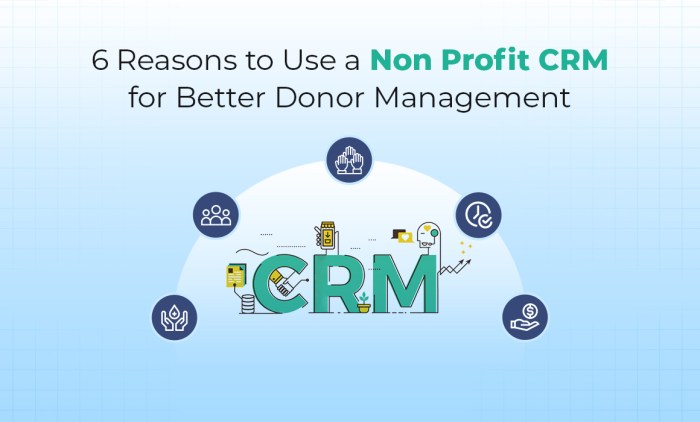
Exploring the crucial role of Nonprofit CRM Solutions in effective Donor Management, this article delves into the importance and benefits of utilizing CRM systems for nonprofits.
Importance of Nonprofit CRM Solutions
Nonprofit CRM solutions play a crucial role in donor management by helping organizations effectively organize and leverage donor information to build strong relationships and drive fundraising efforts. These systems offer a centralized platform for tracking donor interactions, managing communication, and analyzing donor data to tailor engagement strategies.
Organizing Donor Information
- CRM systems allow nonprofits to store and access donor contact details, giving history, preferences, and engagement history in one place.
- By maintaining a comprehensive database, organizations can easily segment donors based on various criteria and personalize communication to enhance donor relationships.
- Having a centralized database also ensures that staff members have real-time access to up-to-date donor information, improving collaboration and coordination within the organization.
Benefits of Using CRM Solutions for Donor Relationship Building
- Improved Communication: CRM systems enable nonprofits to send targeted and personalized communications to donors, leading to more meaningful interactions.
- Enhanced Fundraising Efforts: By analyzing donor data and behavior, organizations can identify trends, predict donor preferences, and tailor fundraising campaigns for better results.
- Increased Donor Retention: Through effective donor management and engagement strategies facilitated by CRM solutions, nonprofits can cultivate long-term relationships with donors, leading to higher retention rates.
Examples of Successful Nonprofits Utilizing CRM for Effective Donor Management
- The American Red Cross uses CRM systems to track donor interactions, manage fundraising campaigns, and personalize communication to engage donors effectively.
- St. Jude Children's Research Hospital leverages CRM solutions to segment donors based on giving history and preferences, allowing them to tailor fundraising appeals and stewardship efforts for maximum impact.
- World Wildlife Fund utilizes CRM technology to analyze donor data, identify major donors, and create targeted cultivation strategies to strengthen donor relationships and drive fundraising goals.
Features of Nonprofit CRM Solutions
Nonprofit CRM solutions offer a wide range of features specifically designed to enhance donor management and improve overall fundraising efforts.
Customization Options for Nonprofit Organizations
- Customizable donor profiles to track individual donor preferences and giving history.
- Personalized communication templates for donor outreach and stewardship.
- Flexible donation forms to tailor the giving experience to each donor.
Data Analytics Tools for Nonprofits
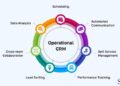
- Advanced reporting and analytics capabilities to track fundraising performance and donor engagement metrics.
- Segmentation tools to target specific donor groups for personalized outreach campaigns.
- Integration with third-party tools for comprehensive data analysis and insights.
CRM Features Enhancing Donor Engagement
- Automated email marketing campaigns based on donor behavior and preferences.
- Donor journey tracking to understand donor interactions and optimize engagement strategies.
- Event management tools for organizing fundraising events and tracking attendee participation.
Implementing Nonprofit CRM Solutions
Implementing a nonprofit CRM solution is a crucial step towards enhancing donor management and maximizing fundraising efforts. It involves selecting the right CRM software, overcoming challenges during implementation, training staff effectively, and integrating the CRM solution into existing processes.
Steps in Selecting the Right CRM Solution for a Nonprofit
- Identify organizational needs and goals to determine the features required in a CRM solution.
- Research and compare different CRM software options to find one that aligns with the nonprofit's specific requirements.
- Consider scalability, ease of use, customization options, and pricing when selecting a CRM solution.
- Seek recommendations from other nonprofits or industry experts to make an informed decision.
Challenges Nonprofits May Face During CRM Implementation
- Resistance to change from staff members accustomed to manual processes.
- Data migration issues when transferring existing donor information to the new CRM system.
- Lack of proper training and support for employees to effectively use the CRM software.
- Integration challenges with other systems or software used by the nonprofit.
Tips for Effectively Training Staff Members to Use CRM Software
- Provide comprehensive training sessions covering all aspects of the CRM software.
- Offer hands-on practice opportunities to ensure staff members are comfortable using the CRM system.
- Create user guides and manuals for reference and ongoing support.
- Encourage feedback from employees to address any issues or confusion during the training process.
Best Practices for Integrating CRM Solutions into Existing Donor Management Processes
- Map out existing donor management processes to identify areas where CRM integration can streamline operations.
- Ensure data consistency between the CRM system and other databases to avoid discrepancies.
- Automate tasks such as donor communication, event management, and reporting to save time and improve efficiency.
- Regularly monitor and evaluate the CRM system's performance to make necessary adjustments and improvements.
Ensuring Data Security and Compliance
Data security and compliance are crucial aspects of nonprofit CRM systems to safeguard donor information and maintain trust. Nonprofits must prioritize implementing robust measures to protect sensitive data and adhere to regulations like GDPR for effective donor management.
Significance of Data Security Measures
Implementing strong data security measures within nonprofit CRM solutions is essential to prevent unauthorized access to donor information. Encryption, secure login processes, and regular security audits help safeguard data from breaches and cyber threats.
Importance of Compliance with Regulations
Compliance with regulations like GDPR is vital for nonprofits to ensure donor data is collected and processed lawfully. Adhering to data protection laws not only protects donor privacy but also helps build credibility and trust with supporters.
Strategies for Ensuring Data Integrity and Confidentiality
- Regularly update security protocols and software to address vulnerabilities.
- Provide staff training on data protection best practices and procedures.
- Conduct regular audits to identify and address any potential security risks.
- Limit access to donor data to authorized personnel only.
Consequences of Non-Compliance
Nonprofits face severe consequences for non-compliance with data protection laws, including:
- Fines and penalties for mishandling donor data.
- Loss of donor trust and reputation damage.
- Legal action and lawsuits from affected donors.
Ultimate Conclusion
In conclusion, Nonprofit CRM Solutions play a vital role in enhancing donor relationships and optimizing donor management processes. By leveraging CRM software tailored for nonprofits, organizations can streamline operations and ensure long-term sustainability.
User Queries
How can CRM solutions benefit nonprofit organizations?
CRM solutions help nonprofits by organizing donor information, streamlining communication, and enhancing donor relationships through personalized interactions.
What challenges may nonprofits face during CRM implementation?
Nonprofits may face challenges such as staff training, data migration, and integrating CRM solutions with existing processes.
Why is data security important in nonprofit CRM systems?
Data security is crucial to protect donor information and maintain trust. Nonprofits must comply with regulations like GDPR to ensure data integrity and confidentiality.