
Predictive Dialer CRM vs Manual Calling: Which Delivers Better ROI sets the stage for this enthralling narrative, offering readers a glimpse into a story that is rich in detail and brimming with originality from the outset.
As we delve deeper into the comparison between Predictive Dialer CRM and Manual Calling, we uncover key differences, cost analyses, efficiency evaluations, customer experience insights, compliance considerations, and scalability features that impact ROI in call center operations.
Introduction
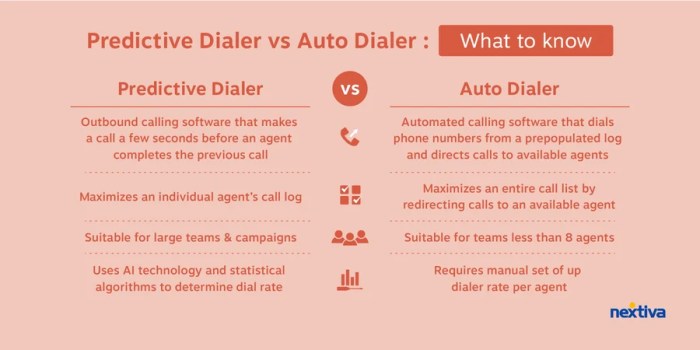
Predictive Dialer CRM and Manual Calling are two common methods used in call center operations to reach out to customers. Predictive Dialer CRM is an automated system that dials multiple numbers simultaneously and connects agents to live calls, while Manual Calling involves agents manually dialing each number one by one.
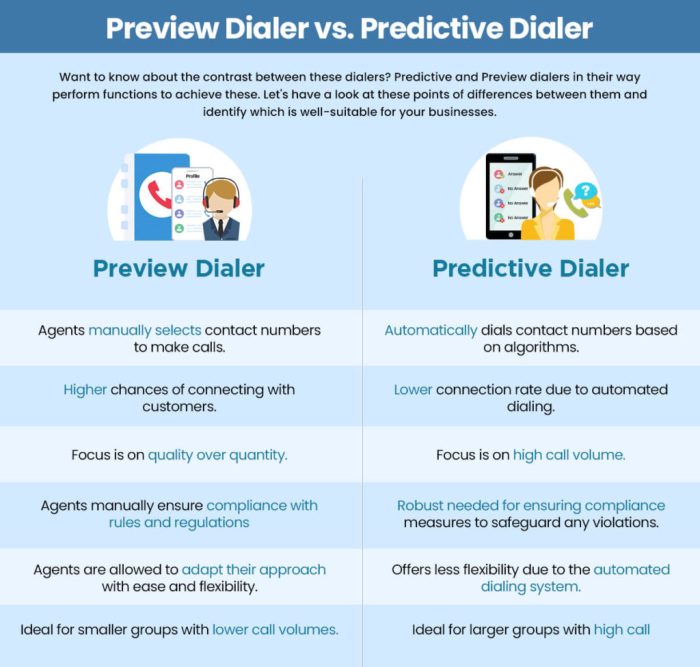
The key differences between the two approaches lie in efficiency and productivity. Predictive Dialer CRM can significantly increase the number of calls made per hour compared to Manual Calling. On the other hand, Manual Calling allows for a more personalized touch and direct control over each call made.
ROI (Return on Investment) plays a crucial role in call center operations as it measures the efficiency and effectiveness of the resources invested in making calls. It is essential to analyze which method, Predictive Dialer CRM or Manual Calling, delivers a better ROI to optimize the overall performance of the call center.
Cost Analysis
When considering the cost analysis between Predictive Dialer CRM and Manual Calling, it is crucial to evaluate both the initial setup costs and ongoing operational expenses to determine the long-term cost-effectiveness of each method.
Initial Setup Costs
- Predictive Dialer CRM: The initial setup costs for a Predictive Dialer CRM system can vary depending on the chosen provider and features required. Typically, there are expenses associated with software licensing, hardware installation, and training for users. These costs can range from a few hundred to several thousand dollars.
- Manual Calling: On the other hand, setting up a manual calling system involves minimal initial costs compared to a Predictive Dialer CRM. It mainly includes acquiring a phone line, purchasing a list of contacts, and training employees on manual dialing processes.
Ongoing Operational Expenses
- Predictive Dialer CRM: While the initial setup costs for a Predictive Dialer CRM may be higher, the ongoing operational expenses tend to be lower. This is because automation reduces the need for manual labor, resulting in savings on labor costs.
However, there are recurring fees for software updates, maintenance, and support.
- Manual Calling: In contrast, manual calling systems may have lower initial setup costs but higher ongoing operational expenses. The labor-intensive nature of manual dialing requires more manpower, leading to increased labor costs over time. Additionally, there may be expenses related to data management and compliance.
Cost-Effectiveness in the Long Run
- When evaluating the cost-effectiveness of Predictive Dialer CRM versus Manual Calling in the long run, it is essential to consider factors such as scalability, efficiency, and productivity. While Predictive Dialer CRM systems may have higher upfront costs, they often result in greater efficiency, increased call volumes, and higher conversion rates, ultimately leading to a better return on investment.
- On the other hand, manual calling systems may be more cost-effective for small-scale operations with limited budgets. However, as the business grows and call volumes increase, the scalability and efficiency limitations of manual calling may hinder overall productivity and ROI.
Efficiency and Productivity
In the context of call center operations, efficiency and productivity play a crucial role in determining the overall success of the business. Let's explore how Predictive Dialer CRM and Manual Calling impact these key areas.
Impact of Predictive Dialer CRM on Call Center Efficiency
Predictive Dialer CRM software automates the dialing process by predicting when agents will be available to take the next call. This minimizes idle time between calls, ensuring that agents are constantly engaged with prospects. As a result, call centers using Predictive Dialer CRM often experience increased call volumes and improved efficiency in reaching out to leads.
The automation of call distribution and data management also streamlines operations, allowing agents to focus more on engaging with customers rather than administrative tasks.
Influence of Manual Calling on Productivity
On the other hand, Manual Calling involves agents manually dialing each number and handling call dispositions without automation. While this approach may offer a more personalized touch in customer interactions, it can significantly slow down the calling process. Agents spend more time on non-core activities like dialing, waiting for answers, and updating records manually.
This manual effort can lead to lower call volumes and reduced productivity compared to using Predictive Dialer CRM.
Time Management Aspects of Both Approaches
When it comes to time management, Predictive Dialer CRM excels in optimizing agent schedules and call pacing. By predicting the availability of agents and automatically dialing numbers, the software ensures that agents make the most of their time and are consistently engaged in productive activities.
On the contrary, Manual Calling requires agents to manually handle every aspect of the calling process, leading to potential inefficiencies and time wastage. In a fast-paced call center environment, efficient time management is crucial for maximizing productivity and achieving better ROI.
Customer Experience
When it comes to customer experience, both Predictive Dialer CRM and Manual Calling play a crucial role in shaping interactions with clients. Let's delve into how each method impacts customer satisfaction and retention.
Predictive Dialer CRM Enhancements
Using a Predictive Dialer CRM can enhance the customer experience by streamlining communication processes. With features like automatic call distribution, call recording, and integrated customer data, agents can provide personalized service efficiently. This leads to quicker issue resolution and improved customer satisfaction.
- Automated call routing ensures customers are connected to the right agent, reducing wait times and enhancing the overall experience.
- Call recording capabilities allow agents to review past interactions, ensuring consistency in service and addressing customer concerns effectively.
- Access to integrated customer data enables agents to personalize interactions, addressing specific needs and preferences, leading to a more tailored customer experience.
Personalized Touch of Manual Calling
On the other hand, Manual Calling provides a personalized touch that can resonate with customers on a deeper level. Agents have the opportunity to engage in meaningful conversations, build rapport, and address customer concerns with a human touch. This personalized approach can create a strong bond with customers, leading to increased loyalty and retention.
- Agents can adapt their communication style based on individual customer preferences, creating a more personalized and engaging experience.
- The ability to address customer concerns in a conversational manner can build trust and loyalty, fostering long-term relationships.
- Customers may appreciate the human connection and empathy demonstrated during manual calls, leading to a more positive overall experience.
Compliance and Regulations
When it comes to compliance and regulations, both Predictive Dialer CRM and Manual Calling have their own set of challenges and advantages. Let's dive into the details.
Predictive Dialer CRM Compliance Challenges
- Predictive Dialer CRM systems often face challenges in ensuring compliance with regulations such as the Telephone Consumer Protection Act (TCPA) and the General Data Protection Regulation (GDPR).
- Automated dialing systems can sometimes lead to instances of dropped calls, misdials, or calling numbers on the Do Not Call list, which can result in hefty fines for non-compliance.
- Managing opt-ins and opt-outs can be more complex with Predictive Dialer CRM systems, requiring strict adherence to regulations to avoid legal consequences.
Manual Calling Adherence to Regulations
- Manual Calling, on the other hand, allows agents to have more control over the dialing process, enabling them to manually screen numbers for compliance before making a call.
- Agents can ensure that they are dialing the right numbers and can promptly respond to opt-out requests, reducing the risk of regulatory violations.
- By manually dialing numbers, agents have a better chance of avoiding calling individuals on the Do Not Call list and can maintain a higher level of compliance with regulations.
Legal Implications in Different Jurisdictions
- In different jurisdictions, the legal implications of using Predictive Dialer CRM versus Manual Calling can vary.
- Some regions have stricter regulations regarding automated dialing systems and may impose harsher penalties for non-compliance.
- Manual Calling may be preferred in jurisdictions where there are significant legal risks associated with automated dialing, as it allows for more direct oversight and control over the calling process.
Scalability and Flexibility
When it comes to scalability and flexibility in call center operations, both Predictive Dialer CRM and Manual Calling have their own unique features. Let's delve into how each method handles changing business needs and fluctuations in call volumes.
Scalability Features of Predictive Dialer CRM
Predictive Dialer CRM systems are designed to easily scale with the needs of a growing business. These systems can efficiently handle a large volume of calls by automatically dialing multiple numbers simultaneously, connecting agents to live calls only. This ensures that agents are constantly engaged with leads, maximizing productivity and optimizing call center performance.
Adaptation of Manual Calling to Changing Business Needs
Manual Calling, on the other hand, can be more adaptable to changing business needs as it allows for a more personalized approach to each call. With Manual Calling, agents have the flexibility to tailor their conversations based on the specific requirements of each lead.
This method is ideal for businesses that prioritize a high level of customer service and value quality over quantity.
Flexibility in Accommodating Growth and Call Volume Fluctuations
In terms of flexibility, Predictive Dialer CRM systems are better suited for accommodating rapid growth and fluctuations in call volumes. These systems can easily adjust the number of calls made based on real-time data and analytics, ensuring that resources are allocated efficiently.
On the other hand, Manual Calling may struggle to keep up with sudden spikes in call volume, as it relies heavily on agent availability and manual dialing processes.Overall, while Predictive Dialer CRM excels in scalability and handling fluctuations in call volumes, Manual Calling offers a more personalized approach that can be adapted to meet the changing needs of a business.
It ultimately depends on the priorities and goals of the call center in determining which method is the best fit for their operations.
Final Thoughts
In conclusion, the debate between Predictive Dialer CRM and Manual Calling continues to spark discussions in the call center industry. While each method has its strengths and weaknesses, understanding their impact on ROI is crucial for optimizing operational efficiency and customer satisfaction.
Query Resolution
What is the main difference between Predictive Dialer CRM and Manual Calling?
Predictive Dialer CRM automates the dialing process, while Manual Calling requires agents to dial each number manually.
Which method is more cost-effective in the long run?
The cost-effectiveness depends on factors like call volume and operational efficiency. Predictive Dialer CRM can be more cost-effective for high call volumes, while Manual Calling may be suitable for smaller operations.
How does Predictive Dialer CRM impact customer experience?
Predictive Dialer CRM can enhance customer experience by routing calls effectively, reducing wait times, and providing personalized interactions based on customer data.
What compliance challenges are associated with Predictive Dialer CRM?
Predictive Dialer CRM must comply with regulations like the TCPA (Telephone Consumer Protection Act) to avoid issues like calling cell phones on the Do Not Call list.
How scalable is Manual Calling?
Manual Calling can be adapted to changing business needs by adjusting the number of agents making calls, but it may not offer the same level of scalability as Predictive Dialer CRM.